

Air Cooling vs Hydro Cooling for Bitcoin Mining And Which System Is Right for Your Operation?
Introduction
Bitcoin mining machines generate significant heat during operation due to their high computational output. Effective cooling is essential for maintaining hardware stability, performance consistency, and operational longevity.
Modern ASIC Bitcoin mining machines generally use one of two cooling systems:
- Air Cooling
- Hydro Cooling (Water Cooling)
Each system has different infrastructure requirements, operational characteristics, and cost considerations. This guide explains how both systems work and outlines the factors to evaluate before selecting mining hardware.
Bitminers provides SHA-256 ASIC mining machines with clearly stated cooling types and documented specifications to support informed purchasing decisions.
Why Cooling Matters in Bitcoin Mining
ASIC miners operate continuously under high workloads. Without proper temperature regulation, excessive heat may lead to:
- Reduced efficiency
- Increased hardware wear
- System instability
- Shortened equipment lifespan
Cooling systems help maintain stable operating temperatures, allowing machines to perform within their specified design parameters.
Air-Cooled Bitcoin Mining Machines
How Air Cooling Works
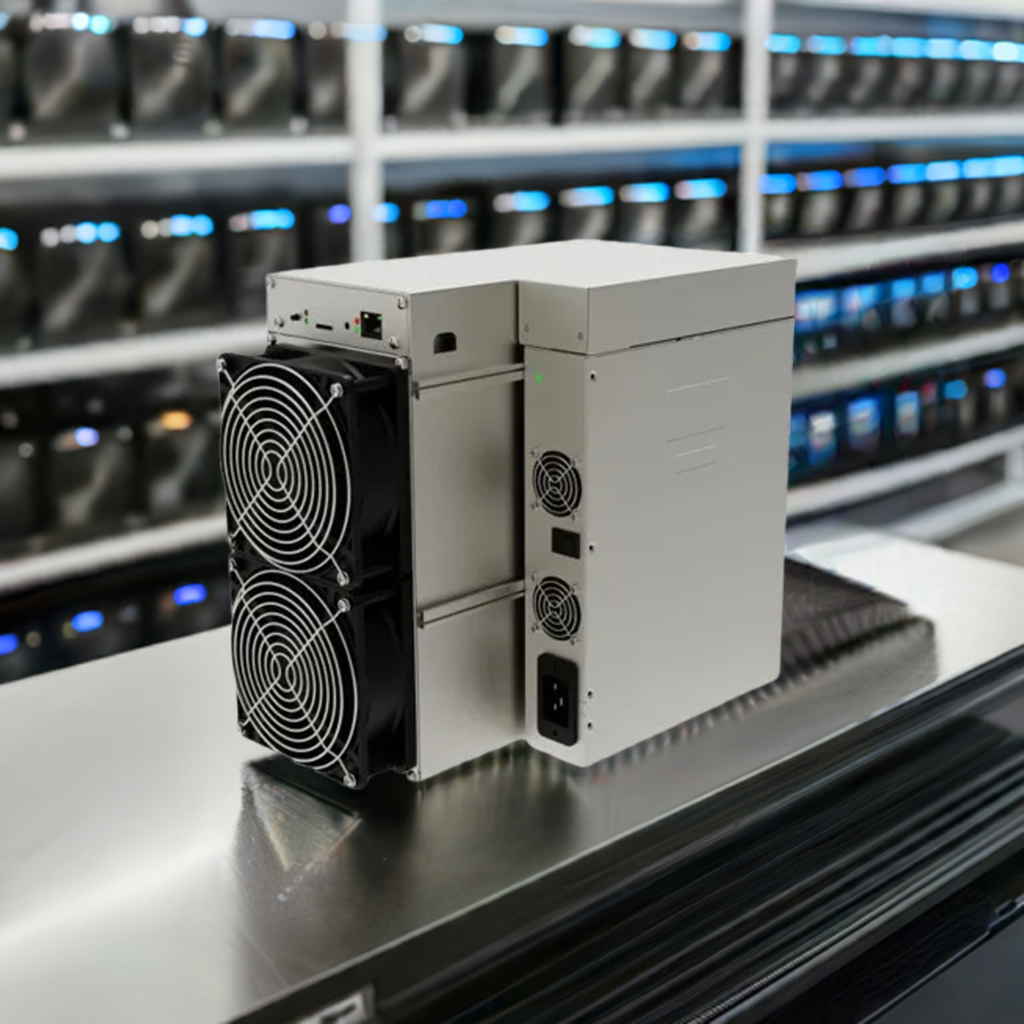
Air-cooled ASIC miners use high-speed fans to pull cool air into the unit while expelling hot air generated by internal components.
This is the most common cooling method in residential and small-to-medium mining operations.
Advantages of Air Cooling
1. Simpler Installation
Air-cooled systems typically require:
- Adequate ventilation
- Stable electrical supply
- Space for airflow
No specialized liquid infrastructure is needed.
2. Lower Initial Setup Complexity
Air cooling does not require water lines, pumps, or specialized coolant systems. This reduces initial installation requirements.
3. Broad Compatibility
Most SHA-256 ASIC miners available on the market use air cooling, making replacement parts and maintenance processes widely accessible.
Considerations for Air-Cooled Systems
- Higher noise levels due to fan operation
- Heat management challenges in warm climates
- Requires proper airflow planning to avoid heat recirculation
Air-cooled machines are generally suitable for:
- Individual miners
- Small mining rooms
- Locations with moderate climate conditions
Hydro-Cooled Bitcoin Mining Machines
How Hydro Cooling Works
Hydro-cooled ASIC miners use liquid circulation systems to remove heat from internal components. Water or specialized coolant absorbs heat and transfers it away from the machine.
Hydro cooling is typically used in larger-scale or industrial mining environments.
Advantages of Hydro Cooling
1. Improved Thermal Stability
Liquid transfers heat more efficiently than air. This allows hydro-cooled systems to maintain stable temperatures under high workloads.
2. Reduced Noise
Hydro systems typically produce less fan noise compared to air-cooled machines.
3. Higher Density Deployments
Hydro-cooled machines can be installed more closely together in controlled environments, allowing for optimized facility space usage.
Considerations for Hydro-Cooled Systems
- Requires dedicated water infrastructure
- Higher initial setup planning
- Maintenance of pumps and coolant systems
- Facility-level planning required
Hydro cooling is often suited for:
- Commercial-scale mining operations
- Data center environments
- Purpose-built mining facilities
Comparing Air Cooling vs Hydro Cooling
| Feature | Air Cooling | Hydro Cooling |
|---|---|---|
| Installation Complexity | Lower | Higher |
| Infrastructure Required | Ventilation | Water system + pumps |
| Noise Level | Higher | Lower |
| Thermal Efficiency | Moderate | High |
| Facility Planning | Basic | Advanced |
The right choice depends on operational scale and infrastructure readiness.
Factors to Consider Before Choosing a Cooling System
1. Location & Climate
Warmer regions may require enhanced ventilation planning for air-cooled systems.
Hydro-cooled systems may provide improved temperature stability in high-density operations.
2. Scale of Operation
Small-scale miners may find air-cooled systems more practical.
Commercial facilities with multiple units may benefit from hydro-based temperature control systems.
3. Infrastructure Budget
Hydro cooling requires additional infrastructure investment compared to standard air-cooled installations.
Operational planning should include long-term facility goals.
4. Maintenance Requirements
Air-cooled systems require:
- Dust management
- Fan inspection
- Airflow monitoring
Hydro-cooled systems require:
- Coolant monitoring
- Pump maintenance
- Leak prevention systems
Long-Term Operational Planning
Cooling decisions should align with:
- Available space
- Power capacity
- Noise tolerance
- Future expansion plans
Selecting hardware without assessing infrastructure compatibility may result in operational inefficiencies.
Bitminers clearly identifies cooling type, power consumption, and infrastructure requirements on each product listing to assist with planning.
Frequently Asked Questions
Is hydro cooling always better than air cooling?
Not necessarily. Hydro cooling offers improved thermal control but requires additional infrastructure and planning.
Are air-cooled miners less reliable?
Air-cooled miners are widely used and reliable when properly ventilated and maintained.
Which cooling system is quieter?
Hydro-cooled systems typically produce less operational noise.
Conclusion
Choosing between air cooling and hydro cooling depends on operational scale, facility infrastructure, and long-term planning goals.
Air-cooled ASIC miners offer simplicity and accessibility, while hydro-cooled systems provide enhanced thermal efficiency for larger deployments.
Before purchasing mining hardware, evaluate infrastructure readiness, environmental conditions, and maintenance capabilities.
Bitminers provides SHA-256 ASIC mining machines with clearly stated cooling specifications and documented technical details to support responsible hardware selection.
For available models and cooling configurations, review our product listings or contact our support team for clarification.